
How to Get Rid of Water Retention Overnight: 6 Fast Fixes, and What Changes by Week Two
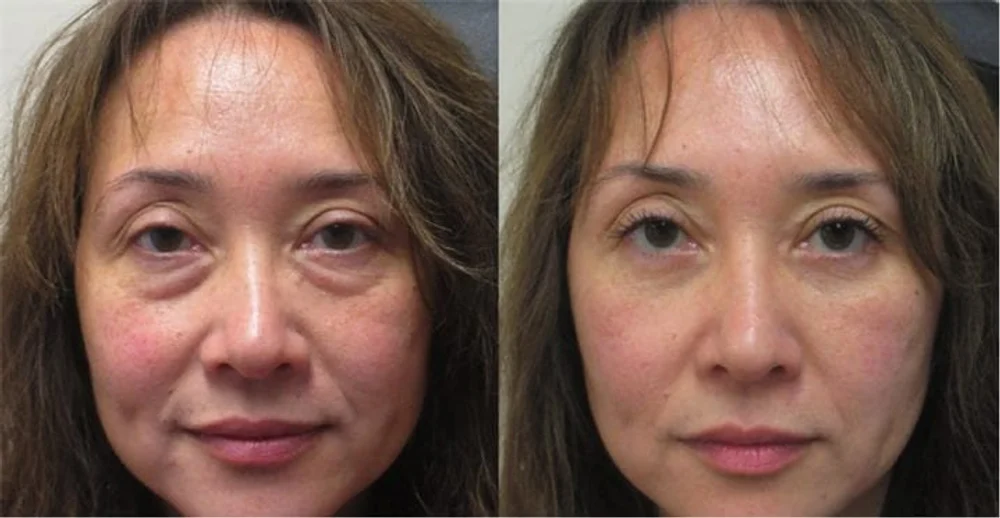
Quick answer. Overnight, the levers that work are: cut tonight’s salt, skip the alcohol, elevate your legs for twenty minutes, drink water rather than restrict it, move before bed, and sleep with your head slightly raised. That handles one night. If it’s most nights, the overnight fixes are the wrong tool — the cause is upstream.
There’s an event tomorrow and tonight you look like you’re holding a litre of water you didn’t drink.
The good news is that overnight really is a workable window — fluid balance moves faster than fat does, and a single night’s decisions genuinely change what you see in the morning.
The less good news is at the bottom of this page, and it’s the more useful half.
The six that work tonight
1. Cut the salt now. Sodium is the single biggest lever in a 12-hour window. A salty dinner means your body holds extra water overnight, full stop. This is the one that matters most.
2. Skip the alcohol. It dehydrates you and wrecks sleep quality, and both make morning swelling worse. One evening off does visible work.
3. Elevate your legs for twenty minutes. Above heart level, actually elevated — not just propped on a footstool. Gravity does the work while you do nothing.
4. Drink water. The instinct to restrict is exactly backwards. Mild dehydration makes the body hold on to fluid; steady hydration lets it let go.
5. Move, even a little. Your lymphatic system has no pump — it moves through muscle contraction. Ten minutes of walking after dinner does more than it sounds like.
6. Raise the head of the bed slightly. One extra pillow changes how fluid redistributes while you’re flat, which is most of why your face is puffy at 6 a.m.
Two things that look like they work
Over-the-counter water pills. They do move fluid, quickly, and you’ll spend the day near a bathroom. The catch is what happens next: flush fluid out fast and the body compensates by holding on harder, which is why so many people describe waking up puffier the following morning. For one night before an event, that’s a bad trade.
Sweating it out. A sauna or a hard session shifts water weight that returns the moment you rehydrate — and if you don’t rehydrate, you’ve triggered the retention response in point 4.
What actually changes by week two
Here’s the honest part.
Everything above manages one night. None of it changes how well your body moves fluid the rest of the time — which is the real variable if you’re reading this because most mornings look like this, not because there’s a wedding on Saturday.
Persistent, both-sided, worse-by-evening swelling is a circulation-and-lymph question, and the answers there work on a scale of weeks. Compression and movement are the best-evidenced of them. Venoactive plant compounds have been reviewed twice by vascular specialists in the last two years, with real effects found alongside the rest of your care — modest, gradual, and the opposite of an overnight fix.
The pattern people describe is consistent: the face changes first, within a week or two; legs and sock marks follow from around week three.
When it isn’t about tonight at all
One leg rather than both. Sudden. With pain, warmth or redness. That’s a same-day doctor’s visit.
And if both legs swell, don’t improve after a night’s sleep, or come with breathlessness, that’s an evaluation rather than a routine — fluid retention can signal heart, kidney, liver or thyroid issues, and several common medications cause it too.
Questions people ask
How much water weight can I actually lose overnight?
Enough to see, not enough to transform. Cutting salt and alcohol and elevating your legs can visibly change your face and ankles by morning. What it doesn’t do is change body composition — you’re moving fluid around, and it comes back if the inputs come back.
Should I drink less water to hold less water?
No — it’s the most common mistake here. Restricting fluid signals shortage, and the body responds by holding on to what it has. Steady hydration through the day is what allows it to release. Salt is the lever that works in the direction people expect water to.
Do water pills work for this?
They move fluid, yes. They also put you near a bathroom for the day and commonly produce rebound swelling once they wear off — the body compensates for the flush by holding on harder. Prescription diuretics have real medical uses; “I look puffy before an event” isn’t usually one of them.
What if it's most mornings, not just one?
Then the overnight fixes are the wrong tool — they treat the morning, not the cause. Persistent swelling is a circulation-and-lymph question and the useful options work over weeks: compression, movement, and the venoactive compounds vascular reviews describe as help alongside standard care. And if it’s one-sided, sudden or painful, it’s a doctor first.