
Best Supplement to Stay Asleep All Night, and Why Melatonin Keeps Failing at 3 a.m.
Quick answer. Magnesium is the one for staying asleep; melatonin is for falling asleep, and most people are buying the wrong one. The form that matters is bisglycinate — it’s what a 2025 placebo-controlled trial used. The effect is real and modest, takes about four weeks, and is biggest in people who weren’t getting much magnesium from food.
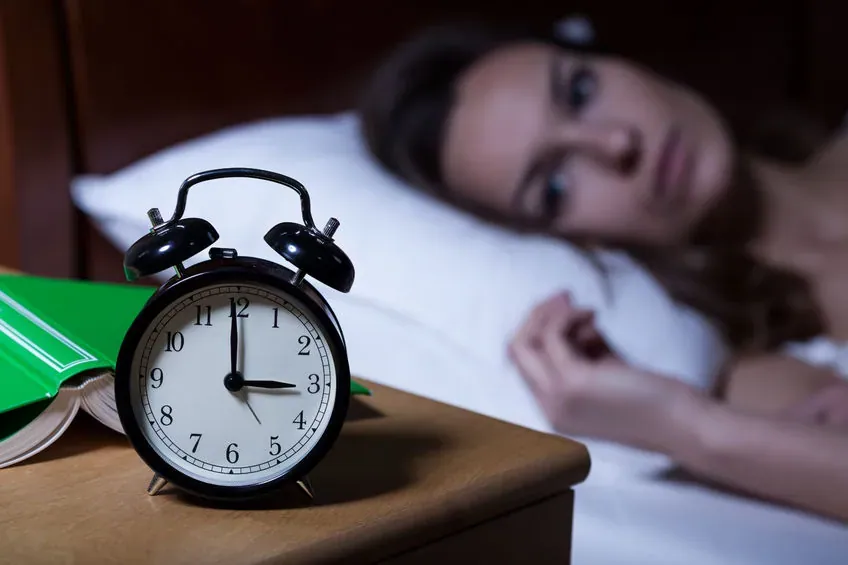
You go under fine. You were always going under fine. At 3 a.m. you’re awake anyway, with the day’s list already loading.
Nothing failed. You bought a tool for a job you didn’t have.
Two problems wearing the same name
Sleep onset is the trouble of getting under. Sleep maintenance is the trouble of staying there. Different mechanisms — and the shelf is built almost entirely for the first one.
So the useful question isn’t “what’s the strongest sleep supplement.” It’s narrower: what has human evidence for the second half of the night?
What the evidence supports for staying asleep
Magnesium has the most honest claim here, and the trial is recent.
Schuster and colleagues, in Nature and Science of Sleep in 2025, ran a double-blind placebo-controlled trial in 155 adults reporting poor sleep, using 250 mg of elemental magnesium a day and measuring with the Insomnia Severity Index.
Over four weeks the magnesium group improved significantly more than placebo. The improvement was small, and it was larger in people whose diets were low in magnesium to begin with. Both halves of that sentence matter — copy promising transformation is inventing, copy waving it away is ignoring a real result.
A mechanism review in the same journal fills in why: magnesium works through the nervous system’s own braking machinery rather than through sedation. That’s exactly why it belongs to the maintenance half.
What each ingredient is actually for
| Ingredient | The job it does | How solid the evidence is |
|---|---|---|
| Magnesium bisglycinate | Staying asleep — the second half of the night | Strongest here: a 2025 placebo-controlled trial |
| Melatonin | Timing — when sleep starts, not how long it lasts | Well studied for onset; timing matters more than dose |
| L-theanine | Settling a busy mind without sedation | Thinner — small trials, promising rather than proven |
| Apigenin | The compound behind chamomile’s reputation | Thin in humans; traditional use is the stronger claim |
Why melatonin keeps disappointing this buyer
Melatonin isn’t useless — it’s misapplied.
A 2024 dose-response meta-analysis by Cruz-Sanabria and colleagues in the Journal of Pineal Research, pooling 26 randomised double-blind trials, found something packaging never mentions: when you take it matters more than how much. It’s adjusting the clock at the front of the night.
Whatever wakes you in the middle is a different mechanism, and no amount of clock-adjusting reaches it.
Which is why, in a formula built for maintenance, a small dose of melatonin sitting behind magnesium is a design decision rather than a shortfall. It’s an evening signal, not the engine.
What to check on the label
- Elemental magnesium, stated. 500 mg of “magnesium bisglycinate” is not 500 mg of magnesium — and without the elemental figure you can’t compare it to the 250 mg in the trial
- Bisglycinate, not oxide. The cheap forms are cheap because they’re poorly absorbed and rough on the stomach
- Melatonin low and late in the list. A formula led by melatonin is an onset product wearing a maintenance label
- A guarantee longer than the effect takes. The trial ran four weeks; a 30-day window closes before you know anything
- A format you’ll actually keep up. Four weeks of nightly use is the whole ballgame
That last one isn’t filler. For an effect that’s real but modest and cumulative, adherence isn’t a soft factor — it’s most of the outcome.
The formula we’d point you to
Sonnus is a nightly gummy built on that split: magnesium doing the structural work for the middle of the night, with a small melatonin cue rather than a melatonin engine. The gummy format matters more than it sounds — four weeks of actually taking it is where the result lives.
Look elsewhere if your problem is falling asleep rather than staying asleep. That’s the other half of the shelf, and melatonin on its own is the cheaper answer.
When it’s a doctor, not a purchase
If the waking is nightly, if you snore heavily or wake gasping, or if low mood came with it. Chronic insomnia and sleep apnoea are diagnoses, and no supplement is the right tool for either.
Questions people ask
What is the best supplement to stay asleep all night?
Magnesium in the bisglycinate form has the strongest evidence for the staying-asleep half — a 2025 placebo-controlled trial in 155 adults using 250 mg of elemental magnesium a day. Expect a modest improvement over about four weeks, largest if your diet was short on magnesium.
Why does melatonin help me fall asleep but not stay asleep?
Because it’s a timing signal, not a sedative. It tells your body evening has arrived, which moves when sleep starts. Whatever wakes you at 3 a.m. is a different mechanism, and adjusting the clock at the front of the night doesn’t reach it.
How much magnesium should a sleep supplement contain?
The figure to compare against is 250 mg of elemental magnesium, which is what the trial used. Watch the wording — the compound weight is always higher than the elemental amount, and a label that only gives the compound weight can’t be compared to anything.
Do sleep gummies work as well as capsules?
The delivery matters less than whether you keep taking it. Four weeks of nightly use is what the evidence describes, so the honest answer is the format you won’t abandon in week two. Check the elemental magnesium either way — some gummies are light on it.
When should I see a doctor about waking at 3 a.m.?
If it happens nightly, if you snore heavily or wake gasping for air, or if it arrived alongside low mood or anxiety. Those point to chronic insomnia, sleep apnoea or depression — all diagnoses, and none of them a supplement question.